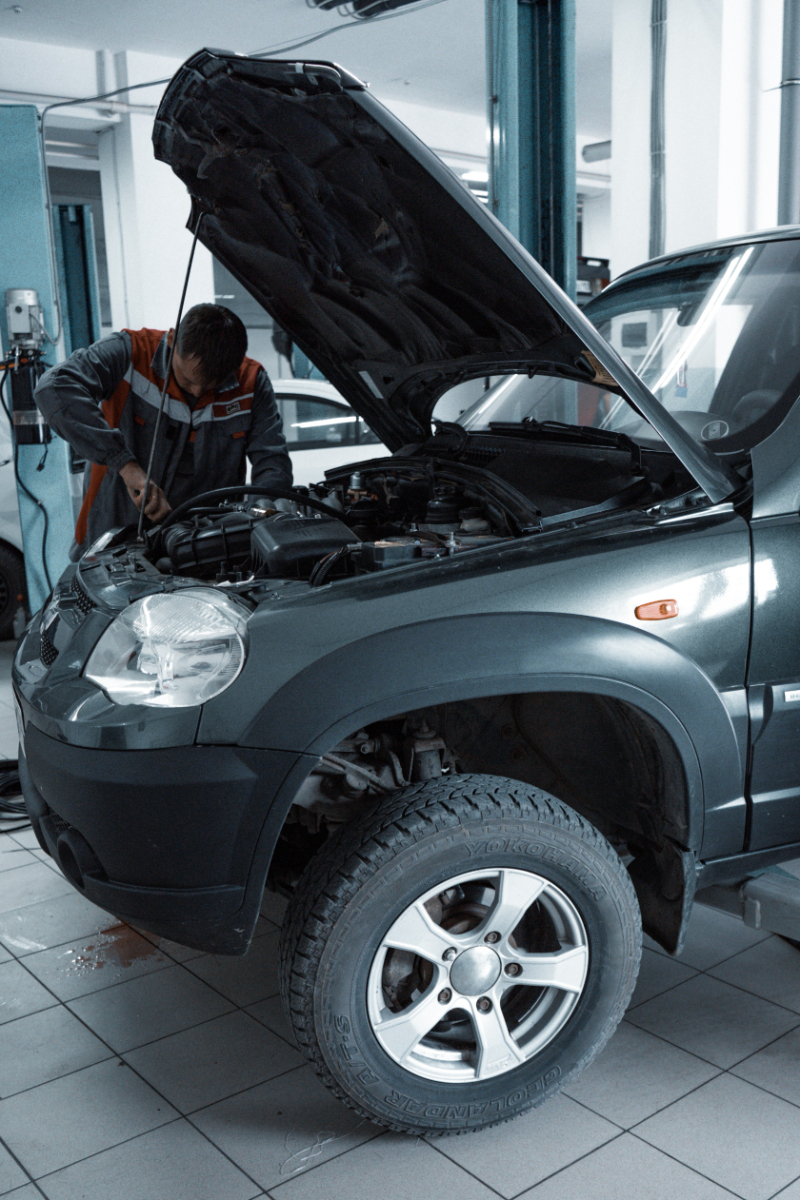
Regular servicing helps keep your Volkswagen safe, reliable and efficient. A professional service covers key checks, fluid changes and inspections based on the vehicle’s age, mileage and condition. This guide explains what is included in a Volkswagen service and why each task is important.
Engine Oil and Filter Replacement
An engine oil and filter replacement service involves draining the old engine oil, fitting a new oil filter and refilling the engine with the correct grade and amount of oil. The technician may also check for leaks, inspect the oil level and reset the service reminder if it's needed.
The engine oil lubricates the vehicle's moving parts, reduces friction and helps control the heat output. Over time, it becomes contaminated with dirt, metal and combustion deposits. The oil filter traps many of these contaminants before they circulate through the engine. Replacing both the oil and the filter at the correct intervals helps protect the engine.
Fluid Level Checks and Top-Ups
A fluid level check and top-up service involves inspecting the main fluids, including the engine oil, coolant, brake fluid, screen wash and power steering fluid. The technician will then check each fluid level, look for signs of leaks or contamination and add the correct fluid when needed.
These fluids help lubricate the engine, control the engine's temperature and help the vehicle brake. Using low- or poor-quality fluid can lead to overheating, reduced braking performance and increased wear and tear.
Regular checks can help identify leaks and falling fluid levels before they cause serious problems. Using the correct fluid type is also important because unsuitable products may affect your vehicle's performance or damage the system.
Brake Inspection and Testing
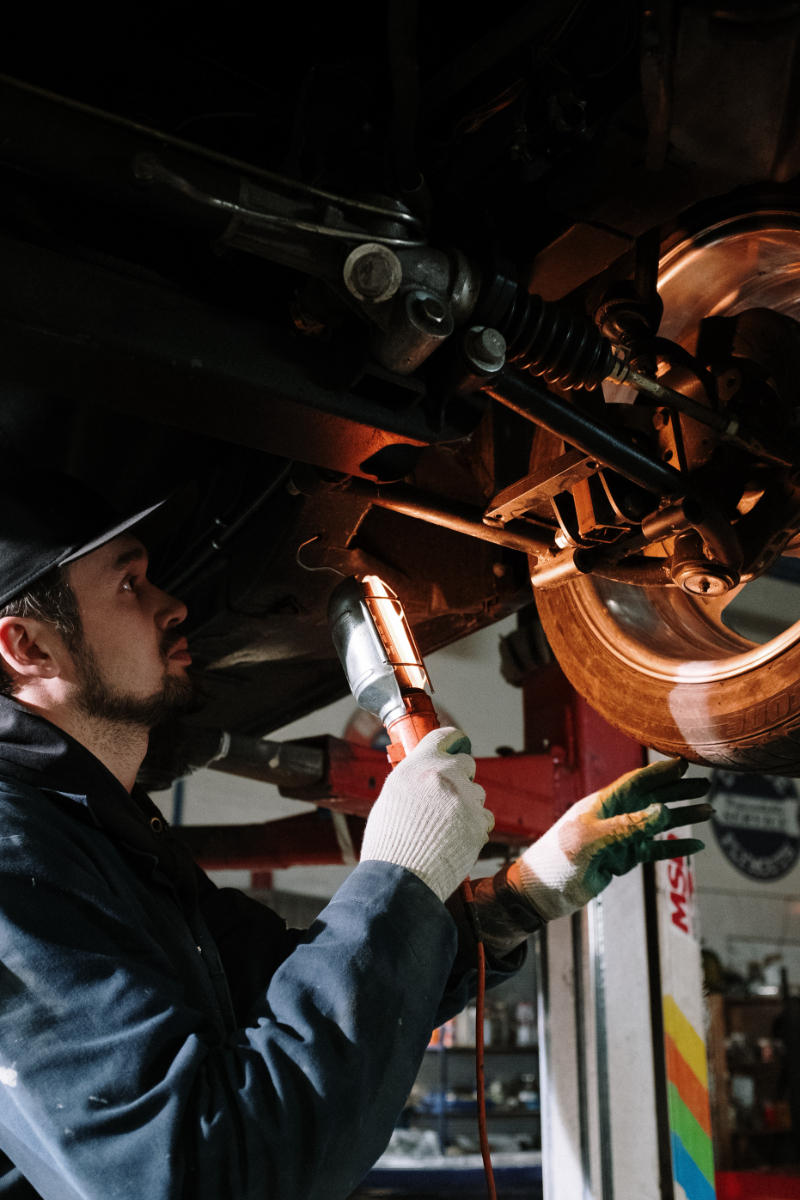
A brake inspection and testing service commonly includes examining the brake pads, discs, callipers, hoses and pipes for wear, damage or leaks. The brake fluid level and condition may also be checked, alongside the parking brake and dashboard warning lights.
The technician may test the vehicle's braking performance to identify problems such as vibrations, pulling, unusual noises or reduced stopping power.
Regular brake inspections are important because worn-out or damaged parts can increase your stopping distances and reduce your control.
Tyre Condition and Pressure Checks
During a tyre condition and pressure check, a technician will check your tread depth, tyre pressure and the overall condition of the vehicle's sidewalls. They may also look for cuts, cracks, bulges, punctures and uneven wear that could suggest there are alignment, suspension or pressure problems.
Having the correct tyre pressure helps the vehicle stay safe while both braking and driving. Underinflated or overinflated tyres can wear out unevenly, reduce your fuel efficiency and affect your stability on the road. Damaged or heavily worn tyres can also increase your stopping distances and increase the risk of the tyres failing altogether.
Steering and Suspension Checks
A steering and suspension check typically includes inspecting the steering joints, track rods, wheel bearings, shock absorbers, springs, bushes and suspension arms for wear and tear, damage or looseness. The technician may also check for fluid leaks, uneven tyre wear, unusual movement and problems with your wheel alignment.
Your steering response and suspension performance can be tested to identify issues like pulling, vibrations, knocking noises or excessive bouncing. These checks are important because worn-out steering or suspension parts can reduce your vehicle control, affect your braking stability and cause your tyres to wear out unevenly.
Battery and Charging System Checks
A battery and charging system check assesses whether your battery, alternator and related parts are working correctly. It usually includes testing the battery’s charge, condition and starting power. The technician may also inspect the terminals, cables and connections for signs of corrosion, l ooseness or damage.
The alternator output is also checked to confirm that the battery is charging while the engine runs, and the starter motor and dashboard warning lights may also be examined. These checks are important because a weak battery or insufficient charging can cause electrical problems or a complete breakdown.
Lights, Wipers and Electrical Checks
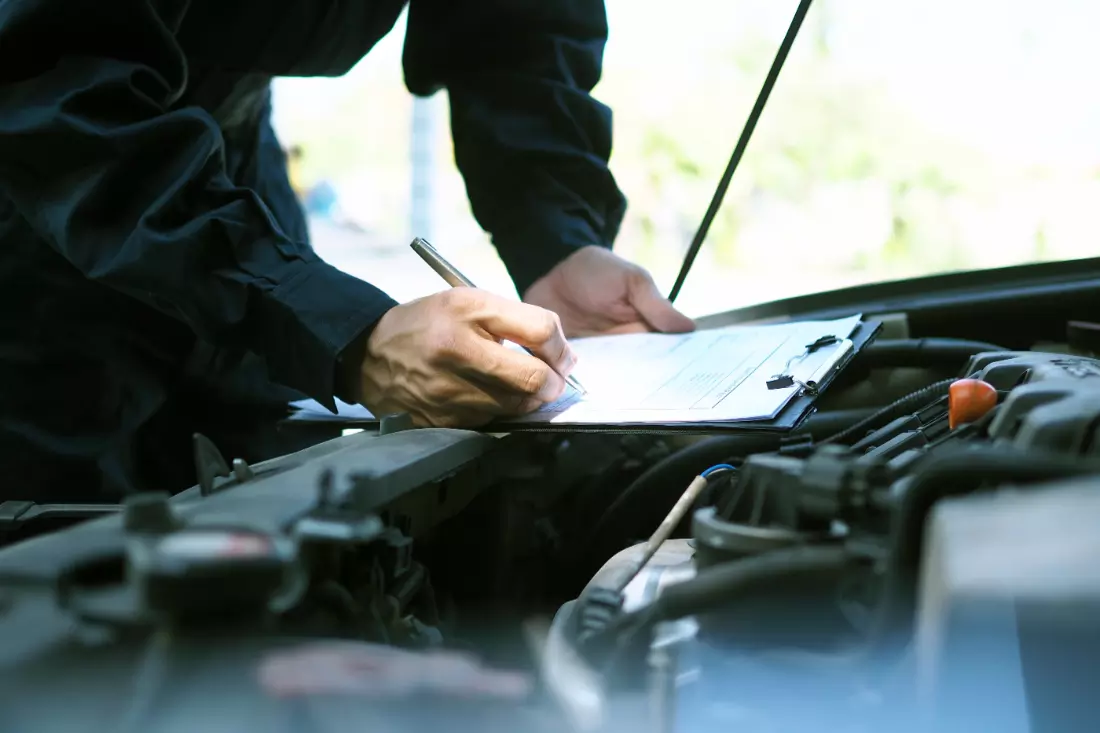
A lights, wipers and electrical check usually includes testing the headlights, brake lights, indicators, fog lights, number plate lights and dashboard warning lights. The technician may also inspect the windscreen wipers, washer jets and screen wash level.
The electrical check can include inspecting the horn, windows, mirrors, central locking system and other powered features, and the wiring, bulbs, fuses and connections may also be inspected for faults or damage. These checks are important because damaged lights can reduce your visibility and prevent other road users from seeing your vehicle clearly.
Exhaust System Inspection
An exhaust system inspection involves checking the parts of the vehicle that carry exhaust gases away from the engine. It usually includes examining the exhaust pipes, joints, brackets, silencer and catalytic converter for corrosion, cracks, leaks or damage.
The sensors linked to the exhaust system may also be checked if a warning light or fault is present. During this service, the technician will listen for unusual noises and inspect the system for loose fittings or signs of escaping gases.
The exhaust and emissions system may also be assessed since emission leaks can allow harmful gases to enter the vehicle and reduce your engine's performance.
Air Filter and Cabin Filter Checks
During an air filter and cabin filter check, the filters that protect the engine are examined for signs of dirt, dust and blockages that could restrict the airflow. The cabin filter is checked for signs of contamination that may reduce your ventilation or allow dust and pollen to enter the passenger area.
If either filter is heavily damaged or has reached its replacement interval, it may be replaced with a new filter. The technician may also inspect the filter housing for damage or debris, and these checks are important because a blocked engine air filter can affect your vehicle's performance and fuel efficiency.
A dirty cabin filter can reduce your airflow, put extra strain on the ventilation system and lower your air quality inside the vehicle.
Timing Belt and Cambelt Checks
During a timing belt and cambelt check service, the belt that keeps the engine’s internal parts moving is inspected for cracks, fraying, glazing, contamination or other signs of wear and tear. Other related parts, such as the tensioners, pulleys and the water pump, are also checked during this service.
The vehicle’s age, mileage and service history are also reviewed to confirm whether any part replacements are due. Timing belt replacement intervals vary from model to model, and it's important to have them checked since a worn-out or broken timing belt can cause the engine to stop or break down.

Diagnostic Checks and Warning Lights
A Volkswagen diagnostic and warning light inspection service uses specialist equipment to read information stored in the vehicle’s electronic system.
This equipment can assess the systems linked to the engine, brakes, airbags, transmission, emissions and other electrical parts.
The technician will connect the diagnostic equipment to the vehicle, read the fault codes and review the live system data to check for any signs of damage.
Our professional Volkswagen servicing in Chingford can help keep your vehicle safe, reliable and efficient. Our skilled technicians can carry out routine checks, oil changes, filter replacements and inspections based on the vehicle's age, mileage and condition. We can identify issues early on and reduce the risk of breakdowns.